A month long growing project can send fresh food to a shelter if you pick fast crops, plant them at the right moment, and ask the shelter what it can take before you sow. A school class or a family can grow herbs, salad leaves, radishes and a few quick roots in four weeks, but only if the shelter has a kitchen, a fridge and someone to accept the delivery on a set day.
The first step is not a seed order. It is a phone call. Ask the shelter manager three things: what they can store, what they can cook, and when they can receive. A shelter with a commercial kitchen and cold storage can use a crate of courgettes. A shelter handing out bagged food to people who cook elsewhere may only want shelf stable items, which a garden cannot supply. If the answer is no, ask a nearby community kitchen or a food bank with refrigeration instead. The project only works when the receiving end is real.
For the growing side, a class or family can follow the same model used by garden projects for children: small beds, fast crops, and a plan that fits the weeks you actually have. That model assumes beginners, which is what most classes and most families are.
What can a school garden grow for a shelter?
Herbs are the safest crop. Mint, parsley, chives, basil and thyme grow in pots, tolerate uneven watering, and a shelter kitchen can use them the day they arrive. They also survive a car ride without bruising. A class can grow six pots on a windowsill and still deliver something useful.
Salad leaves come next. Loose leaf lettuce, rocket and spinach can be cut as baby leaves three to four weeks after sowing in mild weather. Cut them in the morning, keep them cool, and deliver the same day. They will not last a week in a shelter fridge, so the delivery day matters more than the volume.
Radishes are the fastest root crop, ready in about four weeks from seed. They are also cheap, which matters when a class is buying its own seeds. Spring onions take longer but can be pulled young. Courgettes and tomatoes need more than a month, so treat them as a second phase if the project runs into the next term.
Avoid anything that needs peeling, long cooking or careful portioning. A shelter kitchen is often run by volunteers with limited time. A crate of unwashed beetroot is a chore. A bag of washed salad leaves is a gift.
How do you plan a growing project over a school month?
Work backwards from the delivery date. Pick the day the shelter can receive, then count four weeks back. That is your sowing window. Everything else fits around it.
Week one: call the shelter, confirm storage and delivery, buy seed and compost, and fill pots or clear a bed. Sow radishes, salad leaves and herbs. Keep the seed packets so the class can read the days to harvest.
Week two: thin the seedlings, water, and start a simple chart on the wall. Record the date, the crop and the height. This is the part teachers can tie to maths and science without extra preparation.
Week three: sow a second small batch of salad leaves so the harvest is not all on one day. Check for slugs and aphids by hand. No pellets if young children are working in the bed.
Week four: harvest in the morning, wash what needs washing, and pack in clean crates or bags. Label each bag with the crop and the date. Deliver on the agreed day, and ask the shelter what worked and what did not. That answer shapes the next project.
If the month is short, drop the roots and grow herbs only. A tray of mint delivered on time beats a bed of carrots delivered late.
Which vegetables or herbs can a kennel actually use?
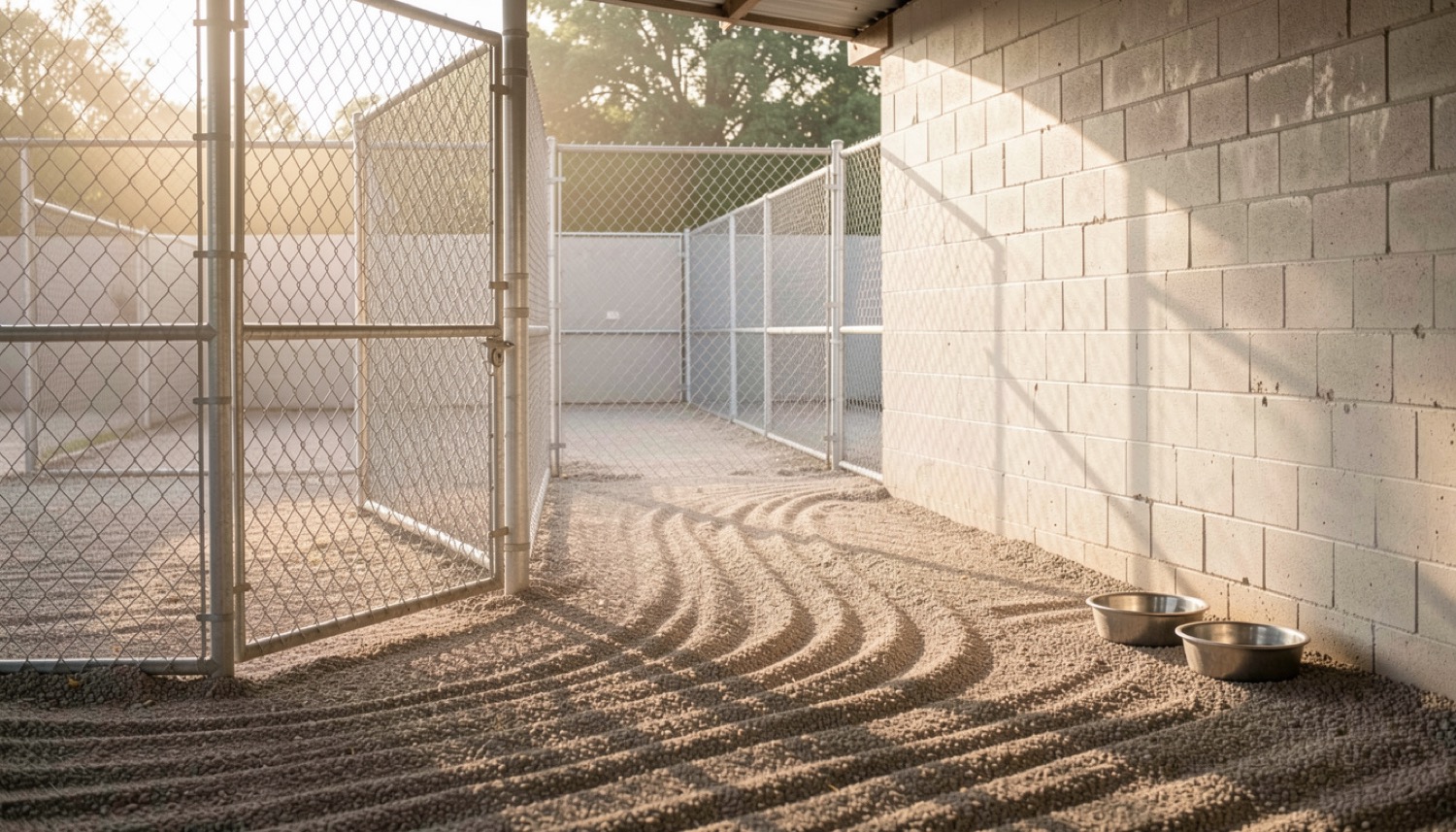
A kennel, meaning a shelter for dogs or cats, uses far less garden produce than a food shelter, and the rules are stricter. Most animal shelters will not accept random fresh vegetables because they cannot guarantee the food is safe or appropriate for the animals in their care. Some accept pumpkins, carrots or herbs as enrichment or as a small supplement, but only if the staff have agreed in advance and the produce is clean and unspoiled.
Never deliver onions, garlic, leeks, chives or anything in the allium family to a kennel. These are toxic to dogs and cats. Do not deliver avocado, grapes, raisins or green tomatoes either. If a class wants to grow for an animal shelter, ask the staff first and grow only what they name. Otherwise, direct the harvest to a food shelter, which is the simpler and more useful target for a school project.
What a shelter can actually use
A food shelter can use fresh produce, but only within limits. Most want washed, sorted, labelled food in shallow crates. They want it on a day when someone is there to receive it. They want small quantities they can use before it spoils, not a single large delivery.
Ask about these points before you plant:
- Refrigeration: does the shelter have a fridge or cold room, and how much space is free?
- Kitchen: can staff cook from raw ingredients, or do they only reheat and hand out?
- Timing: which day and hour can they accept a delivery?
- Packaging: do they want bags, crates or boxes, and do they need them back?
- Allergies and rules: are there foods they cannot accept for policy reasons?
A shelter that cooks will take herbs, salad, radishes, spring onions and courgettes in season. A shelter that hands out bags may take only long keeping crops such as potatoes, onions or squash, which a one month project cannot grow. That is not a failure of the garden. It is information you needed before sowing.
What the project does not fix
A month of growing will not supply a shelter with meaningful volume. Six pots of herbs and two crates of salad feed a few meals, not a week. The value is in the routine: children learn where food comes from, they meet the people who receive it, and they see a harvest leave the garden and arrive somewhere useful.
It also does not fix the shelter's budget. Fresh produce is welcome, but shelters need money, storage, staff and consistent supply. A class that delivers once in June has done something real and small. Do not describe it as more than that.
What it can do is build a habit. A class that delivers in spring can sow again in autumn. A family that grows one windowsill of herbs can repeat it every year. The shelter learns to expect a delivery, and the growers learn to plan around a real recipient instead of a bin.
Safety and practical checks
Wash hands after gardening and before packing. Wash produce in clean water, and keep it cool between harvest and delivery. Do not deliver anything that has been on the ground, bruised or left in a warm car.
Check the shelter's insurance and food policy. Some will not accept home grown produce at all, and that is their right. Ask, do not assume.
Keep a simple record: what you sowed, when you harvested, what you delivered, and what the shelter said. That record is the only way to improve the next project, and it takes five minutes to write.
If the shelter says no, do not push. Find a community fridge, a food bank with cold storage, or a neighbour who cooks. The growing still counts. The delivery is what makes it a project.