Tier 04 · A Month
A month of recurring help for a shelter
Help that repeats: emergency fostering for one dog, a monthly collection on your street, weekday skills given to a shelter office.
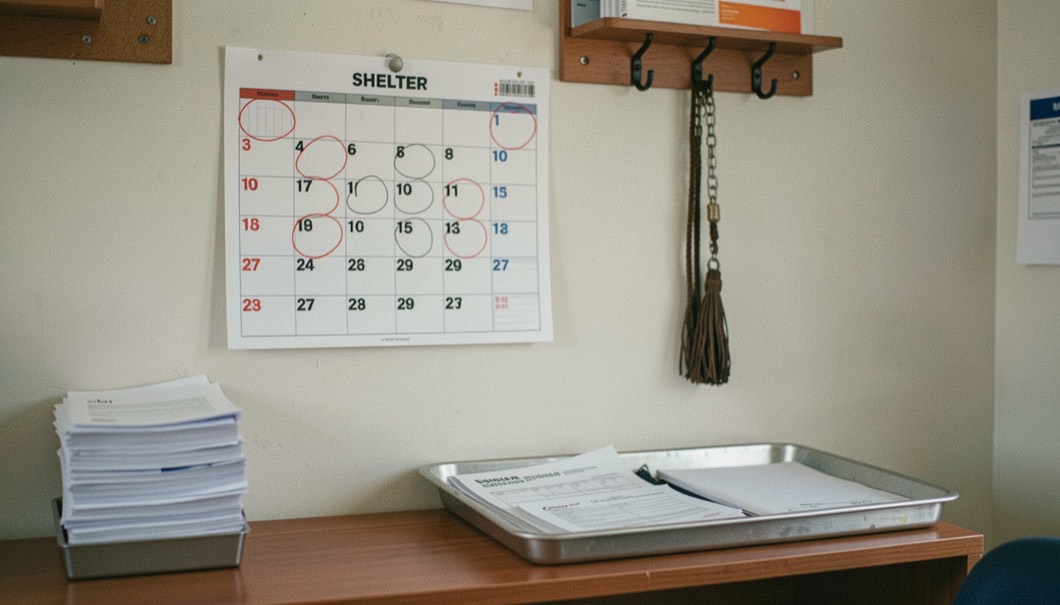
A month is the first commitment with a rhythm. Instead of one good afternoon, the shelter gets something it can plan on: a bed that is free when the call comes, a delivery on the same day every month, an hour of your working week held for their office.
The three guides in this tier are the ones shelters ask for most and receive least, because a recurring promise is harder to make than a generous gesture. They are also the ones that survive a change of staff, which is why a small standing commitment outperforms a large one made once.
Read the honest boundaries in each guide before you offer. A promise withdrawn in week three costs a shelter more than a promise never made, and the people who keep these commitments for years are the ones who started smaller than they wanted to.
Which of the three fits the month you have?
Match the guide to the shape of your month, not to your generosity. Emergency fostering is measured in weeks: one dog, taken at short notice, the veterinary cost carried by the shelter, the exit planned from the first day. A street collection is one day a month that never moves, plus a reminder two days before. An office contribution is one scheduled hour a week, or one deliverable with a size and a date.
The second test is what you have: a closed spare room points to the foster guide, a porch or a garage to the collection, a trade to the office. Dog walks get offered; the payroll and the grant deadline do not.
What does an emergency foster actually sign up for?
Not adoption, and not a known family pet. The dog is a stray inside its legal holding period, and its behaviour in a house is unknown to everyone, including the shelter. Success is a dog that eats, sleeps, empties itself outdoors and is a little easier to place at the end than at the start; the first three days ask for near boredom.
You register before you are needed, and you register narrow: small dog, no other animals, nothing left alone before eleven is an entry a coordinator can act on at nine on a Sunday night. The guide, cupboard kit to handback page, is become an emergency foster.
Why a generous offer never gets a reply
Because it creates work. An offer to help with anything hands the job of inventing a job to the person with the least time. The version that gets answered names a finished thing, a size and a date: an accountant offering a year of books as a clean set of accounts, six hours over two weeks, and one closing question, who should I talk to. It can be answered with one word, and a professional who stops halfway leaves the charity worse off than before.
Shelters receive advice in quantity; what they lack is somebody who does the task and hands back a finished thing, whether accounts, a volunteer agreement or listings that describe the dog.
What the monthly box does that December cannot
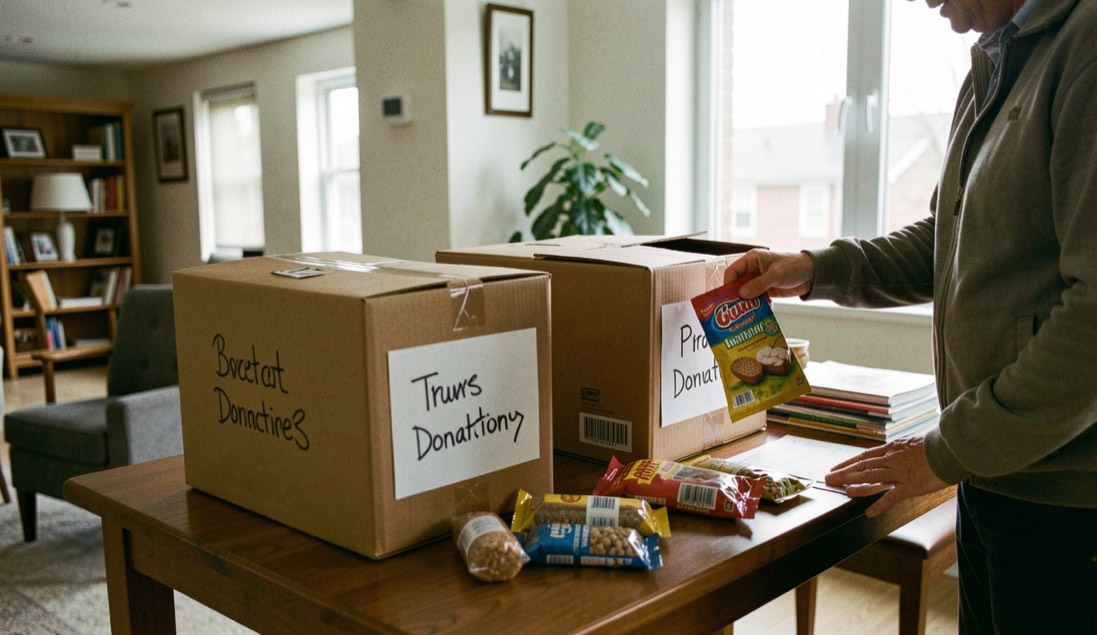
A seasonal drive lands when the shelter’s volunteers are on holiday and its store room is already full; a proportion of the haul is stored for months or quietly discarded. A monthly box arrives on a day everyone knows and goes onto the right shelf ten minutes later. Twelve households giving every month is a collection that works; sixty giving once is an event. The whole run, note through the door to delivery, is a monthly collection on your street.
Needs move, and the box moves with them: in a parvovirus outbreak the list is disinfectant and nothing else; after a donated pallet of dry food, it is anything but dry food. This tier does not cover money: goods pay no veterinary bill.
In this tier
-
· A Month
Run a Month Long Shelter Project With Teens
How to plan a month long shelter service project with a youth group or small congregation, from the first permission slip to the last drop off.

-
· A Month
Grow a Month, Feed a Shelter
Plan a month long school or family growing project whose harvest goes to a shelter, and learn which vegetables and herbs a shelter kitchen can actually use.

-
· A Month
Natural animal health methods for a shelter dog
What non veterinary animal health methods taught in Germany can and cannot do for a shelter or foster dog, and how to keep them alongside veterinary care.

-
· A Month
Cost out a foster dog before you say yes
The ledger a foster dog actually opens: what the shelter usually carries, what it never does, and the monthly figure to test before saying yes.

-
· A Month
Become an emergency foster for one dog
One spare room saves one dog this month: the emergency foster call, the kit to have ready, the boundary to hold.

-
· A Month
Run a monthly collection on your street
One neighbours list, one drop point, one day a month: the standing collection that outlives every food drive.
-
· A Month
Give a shelter your weekday skills
Your day job is the rare gift: the office trades shelters lack, and the honest way to offer them.

On the stair below this tier: A Weekend. Above it: A Season. The whole stair is readable from the home page.