Tier 03 · A Weekend
Weekend ways to help a shelter dog
The whole weekend, no badge needed at the start: first walking shifts, repairs the shelter never reaches, adoption day crews.
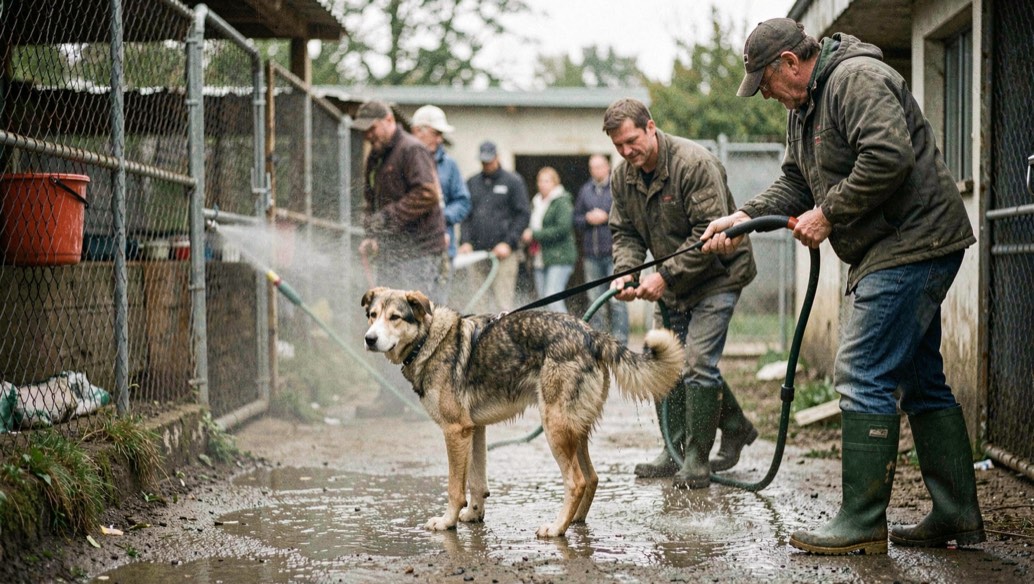
Two days is where a volunteer stops being a visitor. The shelter has to plan around you, put your name on a list and trust you with a lead, a tool or a table. In exchange, a weekend is long enough to finish something that had been waiting for months.
The three guides here cover the three shapes a weekend takes: a first walking shift with the dogs, a repair job on the building the dogs live in, and an adoption event built and taken apart in a day. Each has an induction, written or spoken, and each has rules that exist because someone was bitten, injured or sued before you arrived.
This is also the tier where people decide whether they will come back. The shelters that keep their volunteers are the ones that give a clear job on the first morning; if yours does not, ask for one rather than drifting between kennels.
Which of the three weekends is yours?
Start from what you have, not from the dogs. If you want an animal on the end of a lead, your first walking shift opens onto an induction, not a field. If your trade is physical, the repairs guide is yours: money spent on a gate is money not spent on a sterilisation; a weekend of competent hands is one of the few donations a shelter cannot buy; and the trades are the volunteers most quietly welcomed and least often offered. If you like a rota and a named role, crew an adoption event.
These three guides are all this tier holds. The office version of skilled help and the foster placements that run for weeks live on other rungs of the stair.
Why the first shift is quieter than you imagined
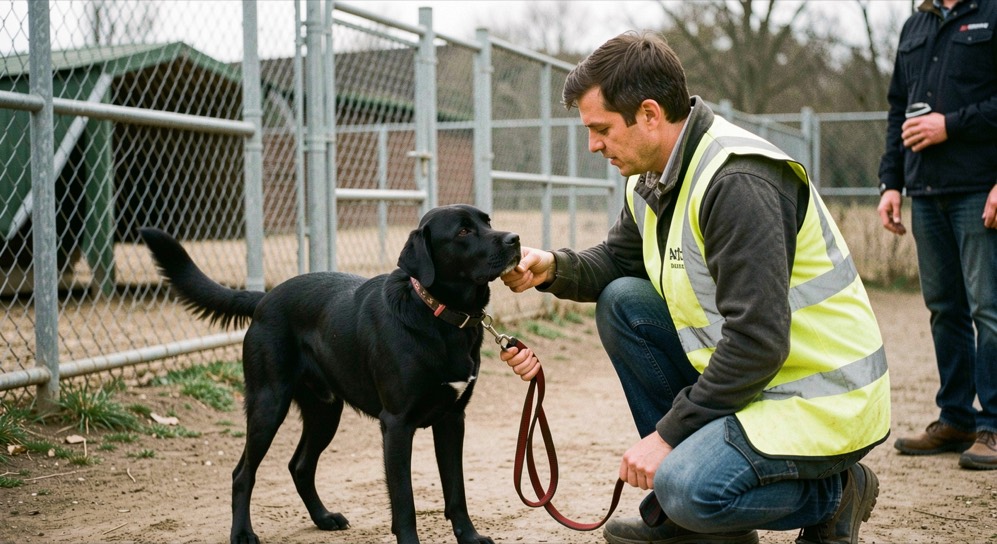
Almost everyone pictures one afternoon: a lead, a field, a grateful animal. The real first shift gives you one or two dogs in the enclosed area, under supervision, and that is not distrust: it is the only way anyone can see how you move and whether you follow an instruction you disagree with. Treat the first hour as an exam and the harder dogs come in month two.
The rules exist because somebody was hurt first. Two points of attachment, a collar and a harness, because most escapes happen in the first minute, at the kennel door, when a dog goes backwards out of a single collar. Green dogs are yours from the first shift, amber wants hours behind you, red is staff only, and no card means a dog still being assessed.
The repair list you should ask for
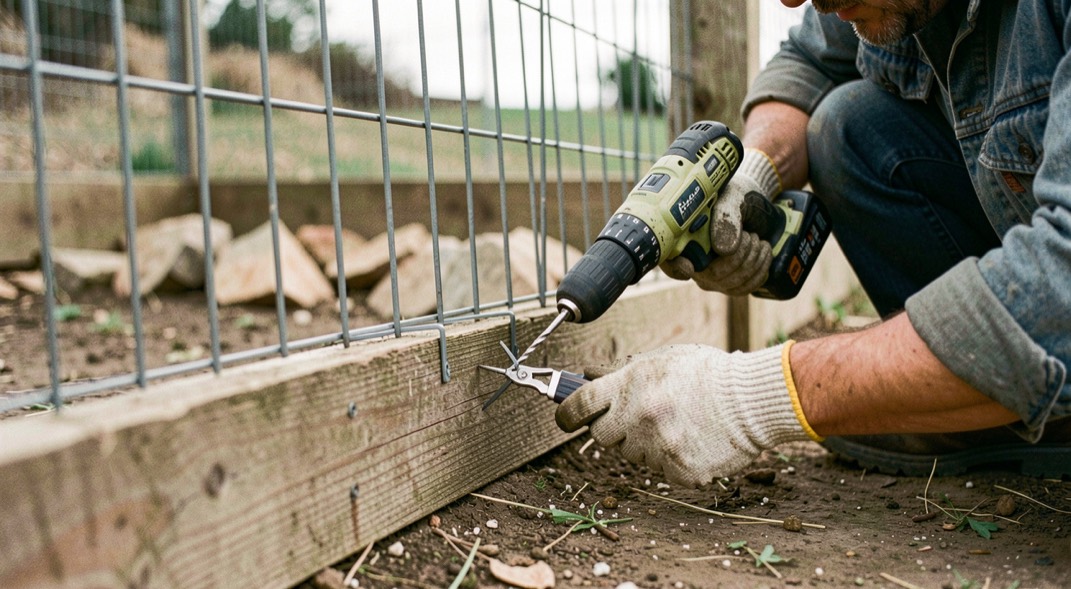
Ask for the list of things that have waited longest. A blocked drain stops the morning clean, so it gets fixed; a latch that needs lifting twice stops nothing, so it waits until it fails while somebody is holding a dog. Most incidents come from that second category, the one a weekend clears: two people, two days, every latch replaced with a type that works one handed, because a handler holding a lead has one hand, a run of mesh re tensioned, its bottom edge buried, gates hung so they self close.
A half stripped door on Sunday evening is worse than the door you found on Saturday morning, because the kennel behind it is now unusable: finish each item, sweep included, before the next, and write down what you could not fix, with the parts needed.
How the adoption day is won at the packdown
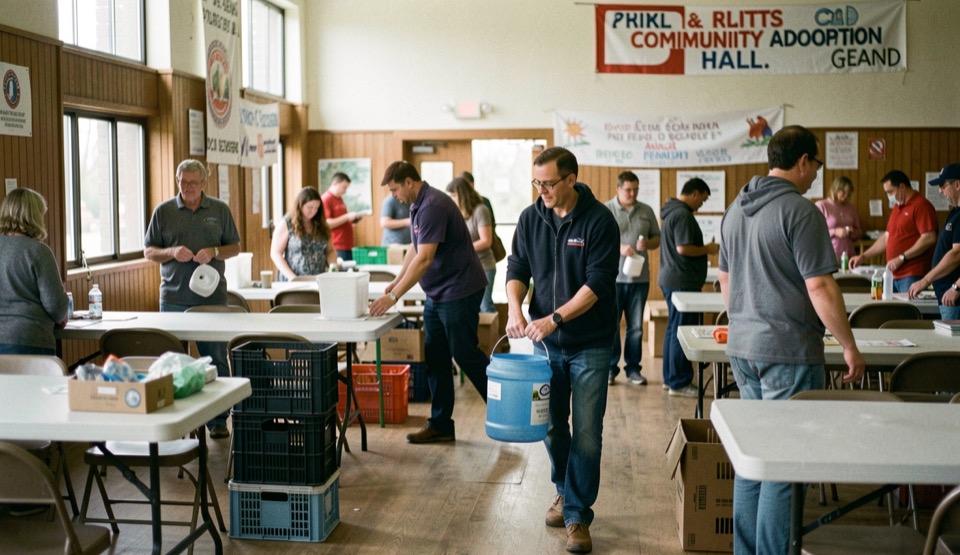
The last hour is when accidents happen: people are tired, the barriers coming down. The sequence is dogs first. Load and secure every dog before a single barrier moves, then count them against the morning list, by name and by kennel number, one voice reading, one hand pointing. Count the leads and crates the same way, then close the paperwork while it is fresh: an event that produces twelve conversations and no record produces no adoptions.
In this tier
-
· A Weekend
Run a shelter open day at a farm venue
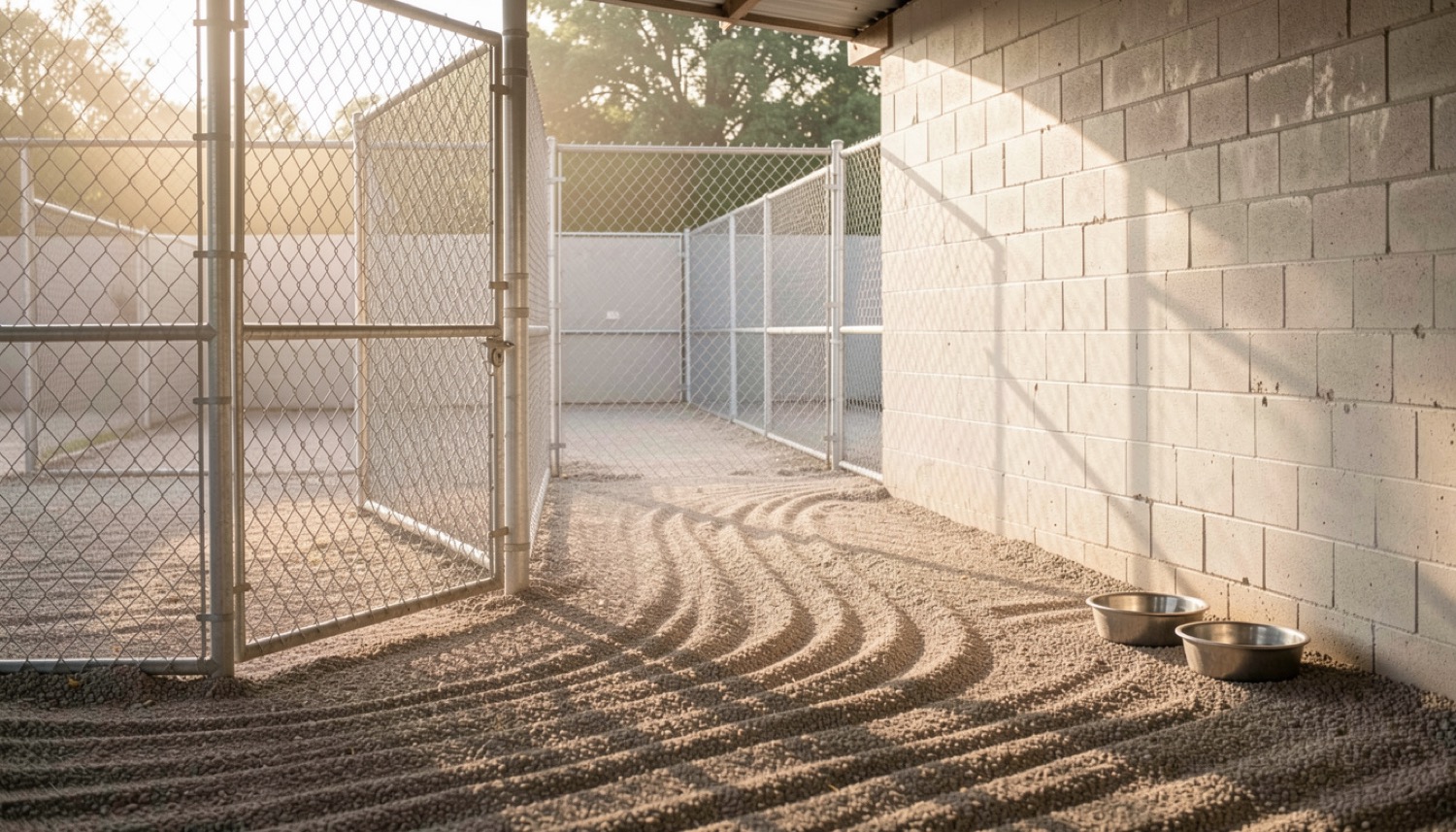
Plan a shelter open day or fundraiser at a farm or barn venue: booking questions, weather backup, and what the budget must cover beyond the rental.
-
· A Weekend
Walk a Shelter Dog Where Wildlife Lives
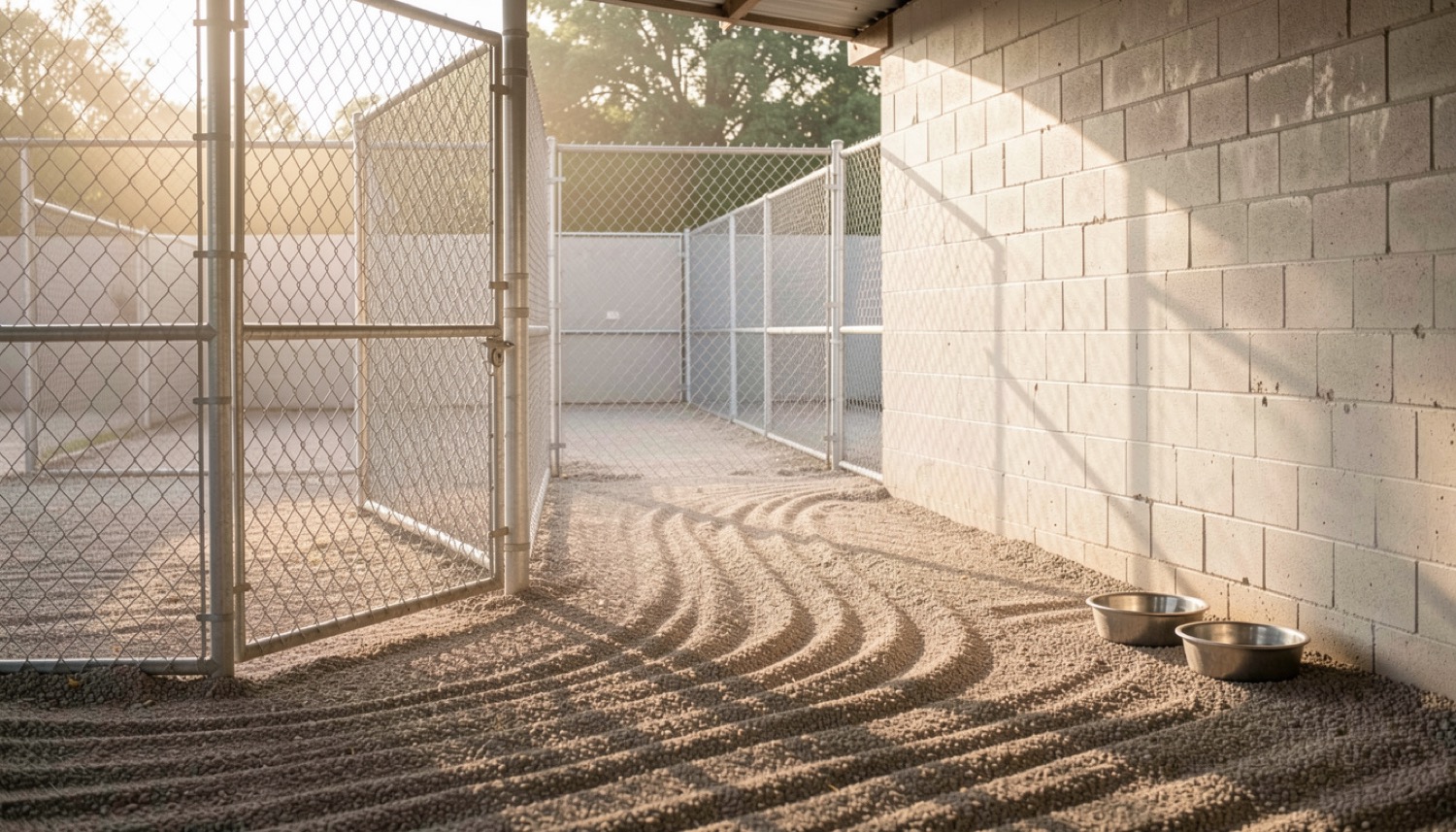
How to read wildlife signs on a weekend dog route, keep your shelter dog on the trail, and learn the calls and colours that matter first.
-
· A Weekend
First weekend out of the kennel: a large working breed
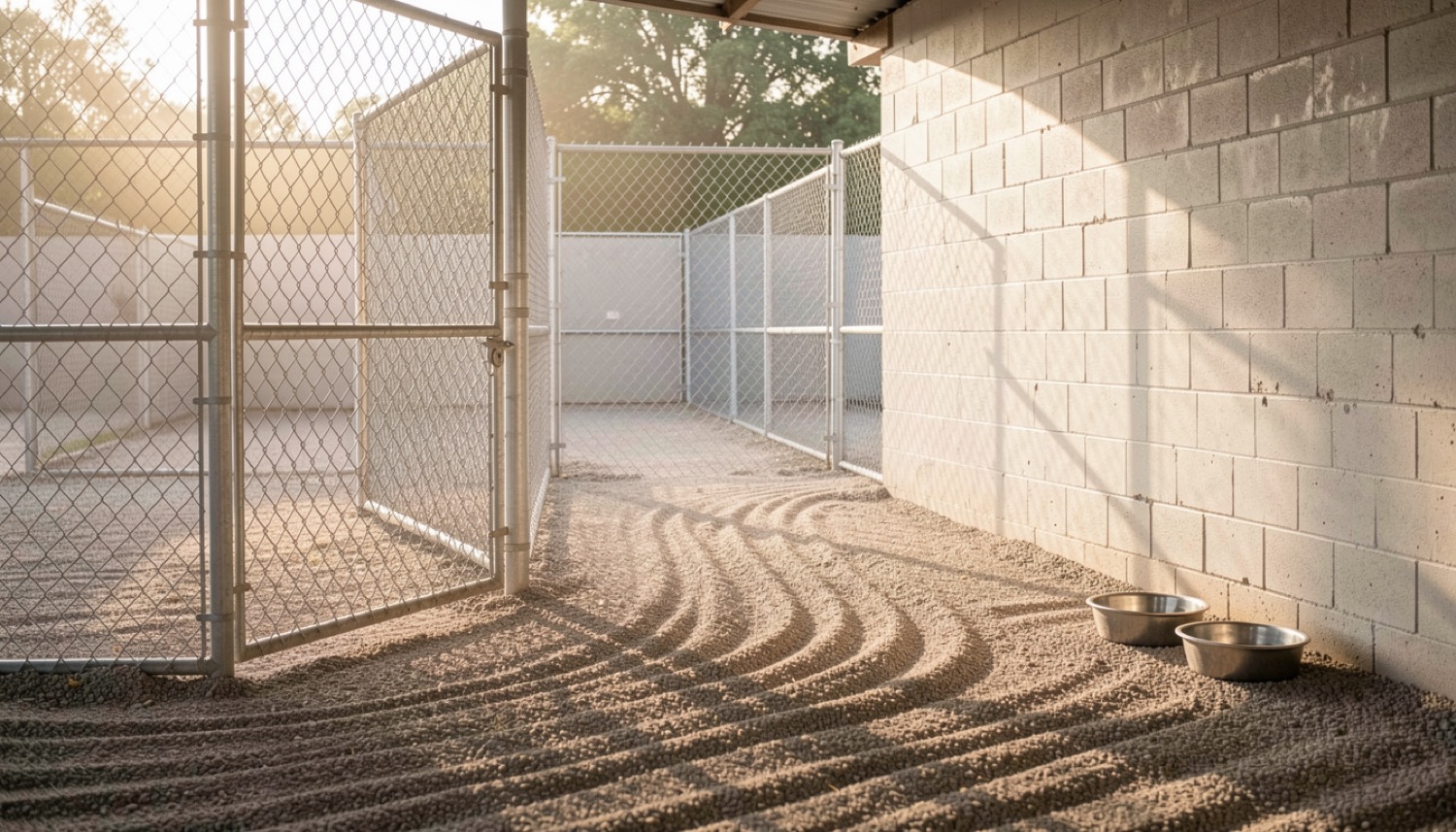
What a forty kilogram working breed needs in its first weekend out of a kennel: handling, equipment that holds, and checks before anyone takes the lead.
-
· A Weekend
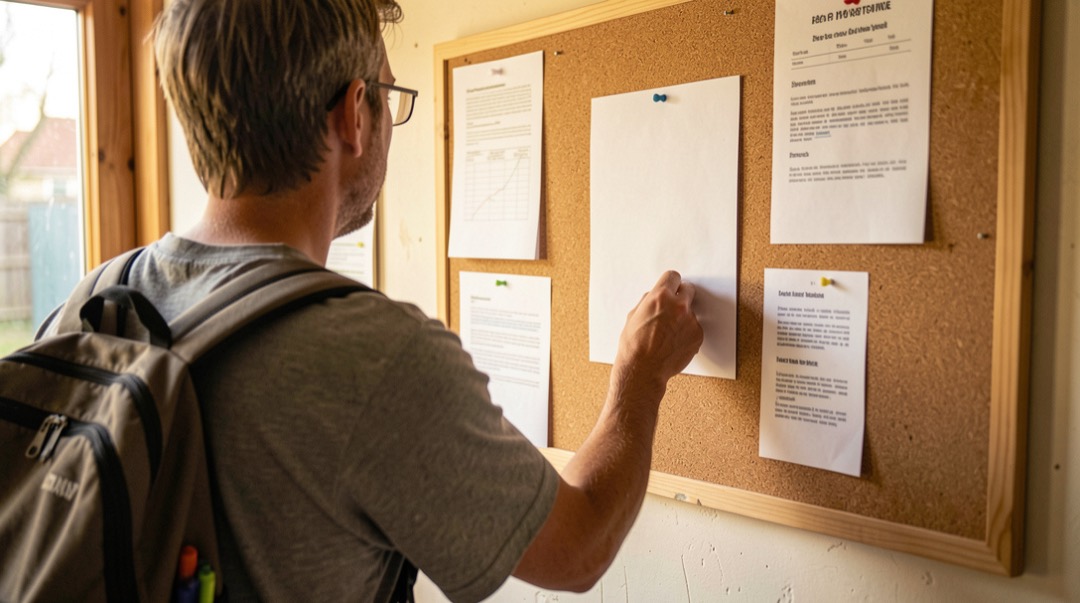
Choose a first volunteer role you will keep
The choice that decides whether you come back: your real hours, the job you can repeat, and the questions to ask first.
-
· A Weekend
Train for your first dog walking shift
The first walking shift is an induction, not a free walk: the dogs you start with and the rules that keep everyone safe.
-
· A Weekend
The repairs a shelter never gets to
The fence is always last on the list: which repairs one skilled weekend actually finishes, and what to bring.
-
· A Weekend
Crew an adoption event from setup to packdown
An adoption event is built before it opens and won at the packdown: the crew roles and the rules of the day.
On the stair below this tier: An Afternoon. Above it: A Month. The whole stair is readable from the home page.