Tier 05 · A Season
Season long commitments to a shelter dog
A whole season of your life: fostering one dog through the winter, coaching a long stay dog back to being someone’s pet.
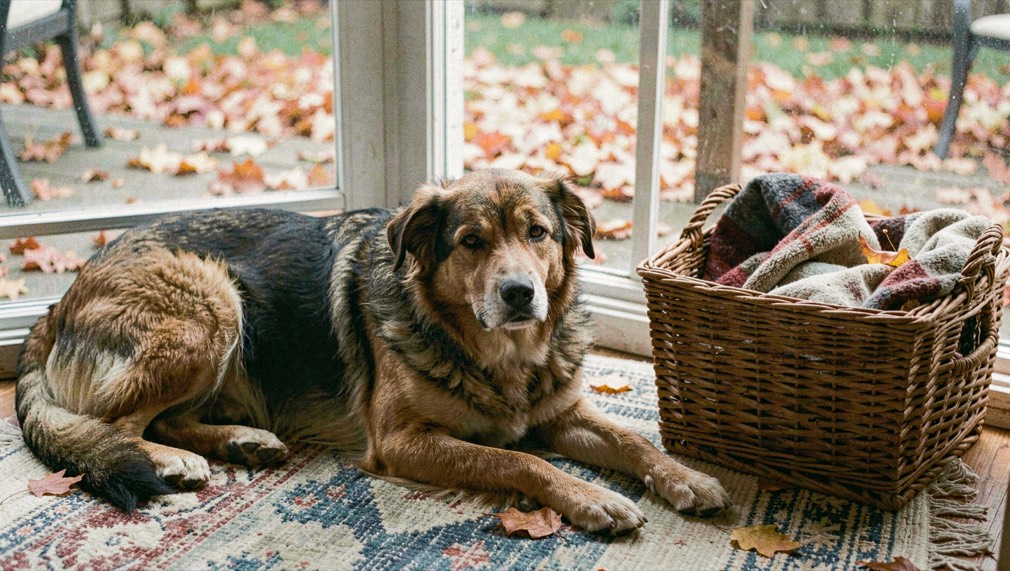
A season is long enough to change a dog. Eight to twelve weeks in a house, or one hour a week with the same kennel dog, is the timescale over which behaviour actually moves: the dog that could not be walked past the bins learns to walk past the bins, and that goes into the adoption profile.
The two guides in this tier are the ones that ask something of your household rather than your calendar. They also carry the risk this site does not hide: a foster or coaching commitment abandoned halfway leaves the dog worse off than before, with a longer file and a shorter list of options.
They are, in exchange, the tier where a single volunteer most visibly decides an outcome. Almost every long stay dog that finally leaves a shelter passed through somebody's season.
Foster at home, or coach at the kennel?
The two gestures share a timescale and almost nothing else. A foster season happens in your house, with the dog that cannot be assessed in a kennel: the one that will not eat behind wire, the one that has never seen a staircase, the one recovering from surgery. A coaching season happens at the shelter, with the dog nobody notices, whose kennel card has not changed in two years because nothing has happened to it.
Choose on paper, before you fall for a photograph: how many hours the dog would be alone and from what week, whether other animals can be separated for a fortnight, not an afternoon, whether the whole household agrees, including the person who was not in the room. Dark months bring short walks and a quiet house; summer brings crowds, traffic and open doors. Say which you can offer; the shelter chooses the dog. The guide to eight weeks of one dog works through that match.
Why week one decides the season
Almost every foster placement that fails, fails in the first week, for the same reason: too much, too soon. A dog leaving a kennel is not relieved, it is disoriented. The rules are small: one room, one person, one routine; no visitors; two points of attachment outdoors, harness and collar, because fosters lose dogs in week one; other animals behind a closed door, never met through a doorway. Expect regression on day three: many dogs are quiet for forty eight hours and then behave normally.
Week one is also when the foster starts guessing at the dog in front of them. A dog that pulls, freezes or guards a bowl is showing temperament, not a verdict. Knowing the breed helps: a livestock guardian barks at the hallway, a sighthound bolts, a terrier digs. A French guide to dog breeds covers morphology and character, education and daily life, health and grooming, written for future adopters, working and companion owners, and amateur breeders. Read it before week one, not to label the dog, but to predict what the room will ask of you.
Do no training that week beyond a name and a routine; the same behaviours take half the time a fortnight later. A coaching session starts as slowly: five minutes doing nothing, twenty minutes of work inside a longer visit, and an end on something easy.
What you hand over at the end
The point of a season is the file. Time alone, noted every time with its duration, decides whether the dog can go to a working household; toileting, noted daily for the first fortnight, answers the question adopters ask most; anything new the dog managed becomes the sentences of the listing. Film badly and often, the dog asleep on a sofa or ignoring a cat behind a gate, and send it to the shelter.
The awkward parts go in too. A foster who softens the description gets a fast adoption and a return, and a returned dog is materially harder to place than one that never left. A coached dog that still cannot live with other animals is not a failure; it is a finding. Plan the adoption like a transport: the bedding goes with the dog and the routine is written down.
What a season leads to
A coached dog may still wait another six months, and the improvement is real whether or not it is adopted this year. Where its next step is a house rather than a kennel, the foster season takes over, built on coaching one behaviour at a time. Programmes like these exist only where somebody stayed long enough to run them, which is the coordinator’s path. This section does not cover emergency fostering, the shorter version of the foster season and a reasonable place to start.
In this tier
-
· A Season
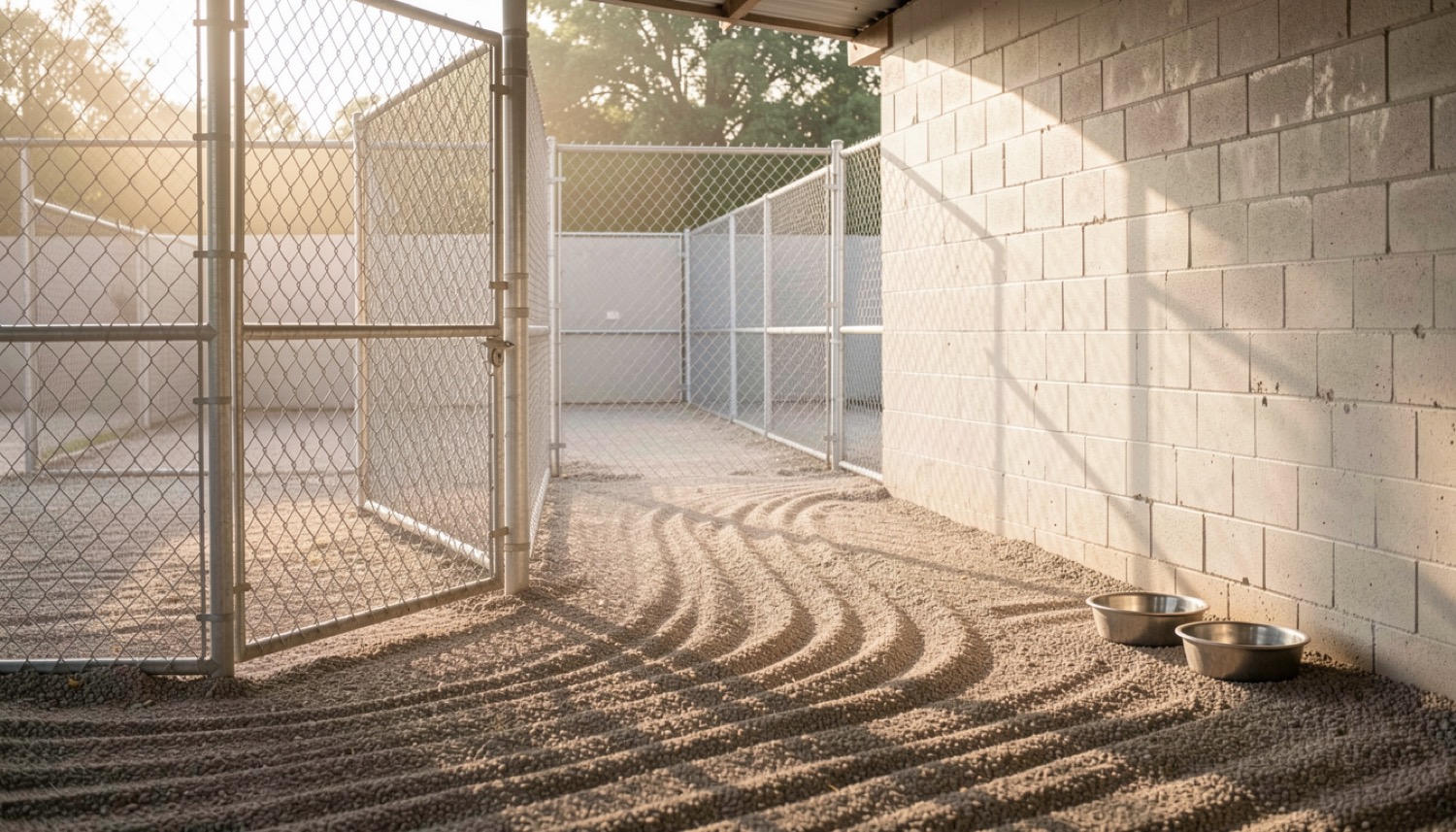
Foster a Belgian shepherd: kennel waits and checks
What a Belgian shepherd needs while waiting in a kennel, what a foster season asks of you, and which breed checks come before placement.
-
· A Season
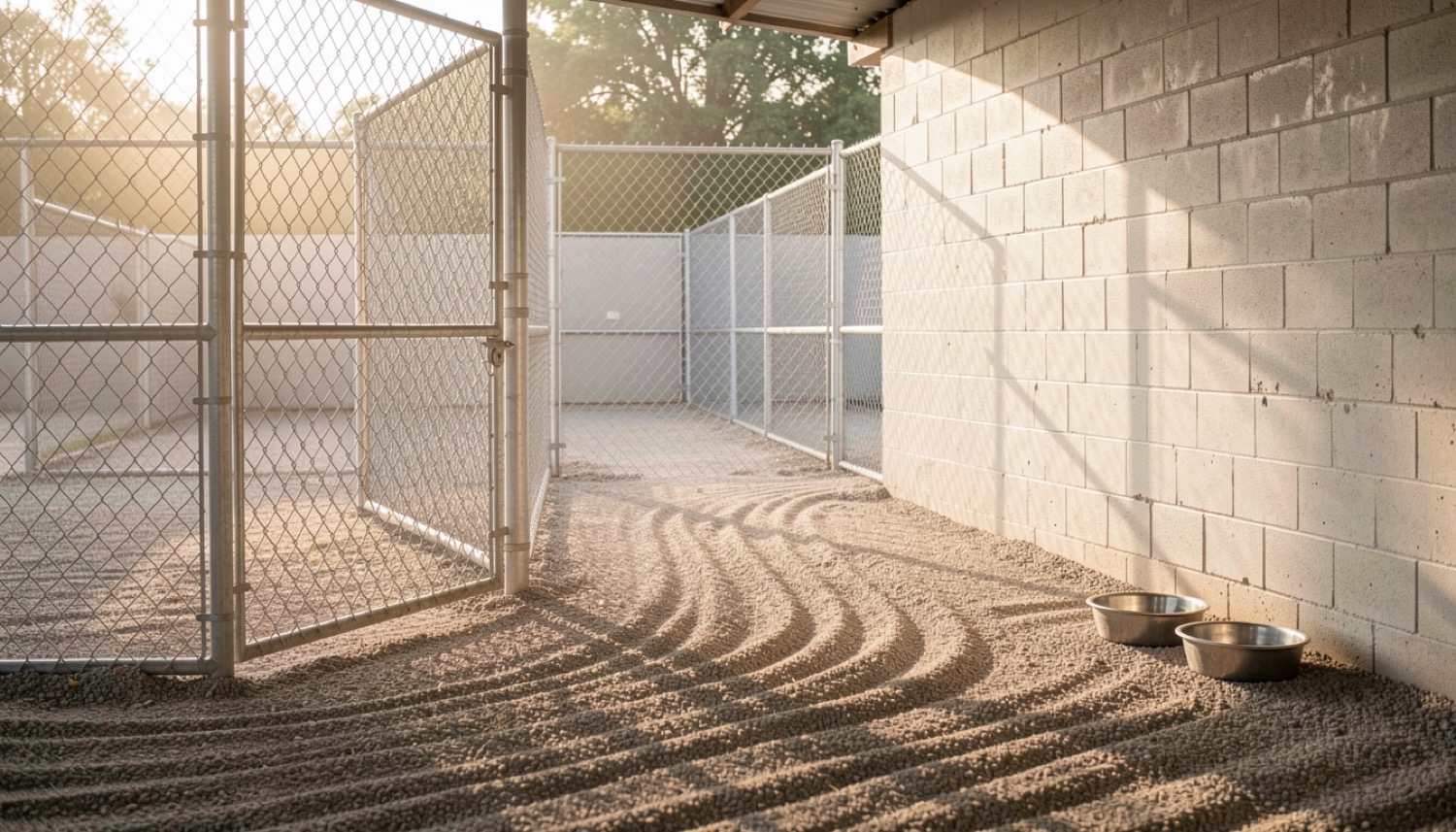
Foster a livestock guardian breed
A guardian dog in a kennel is not a difficult dog. What a Kuvasz needs from a foster home, and how to assess the breed before you commit.
-
· A Season
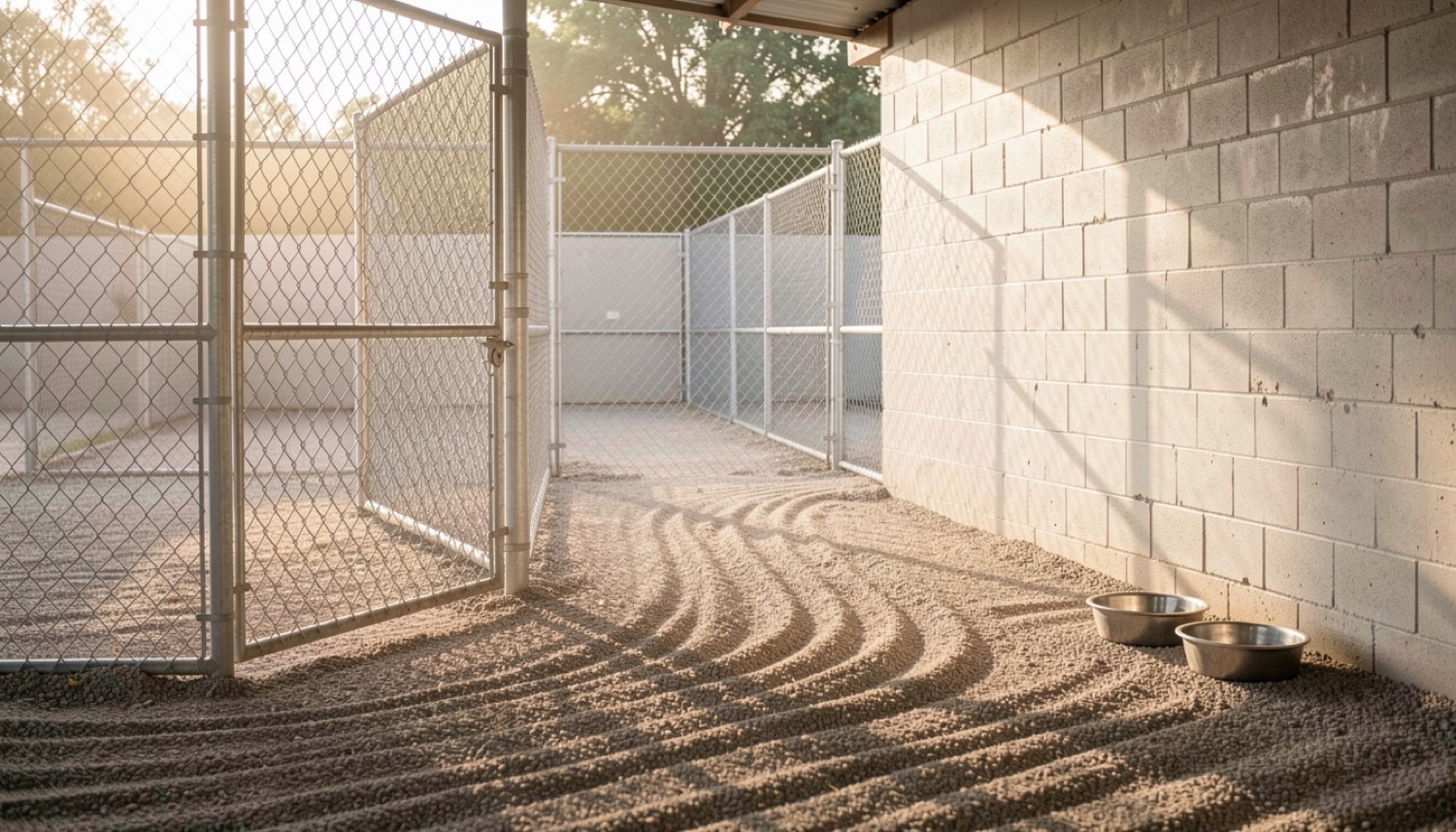
Grooming a long haired foster dog for a season
How often to brush a long coated foster dog, how to start on a dog that has never been groomed, and which health papers a rough collie should show.
-
· A Season
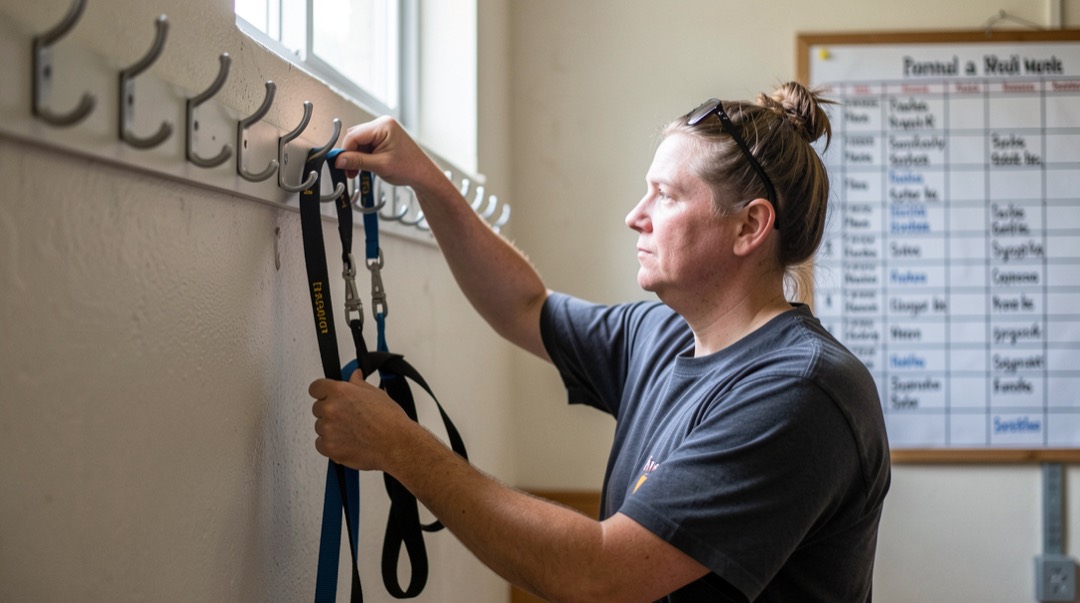
Keep a shelter rota alive for a season
A shelter week runs on named slots, not goodwill. The quiet jobs behind it, and how to hold one for a season.
-
· A Season
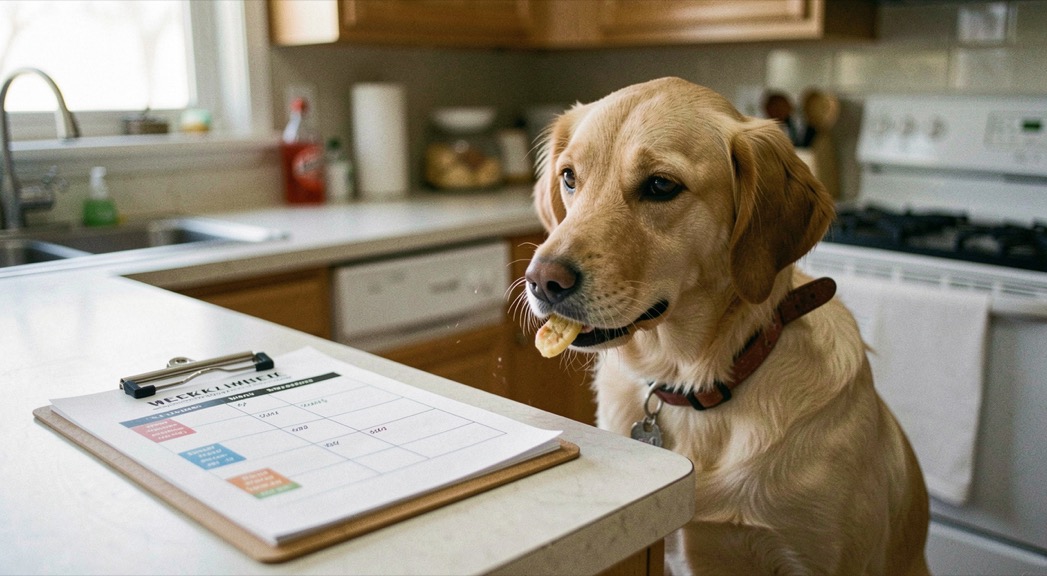
Foster a dog through a whole season
Eight weeks of one dog: choosing the foster the shelter needs, the record you keep, the handover you aim at.
-
· A Season
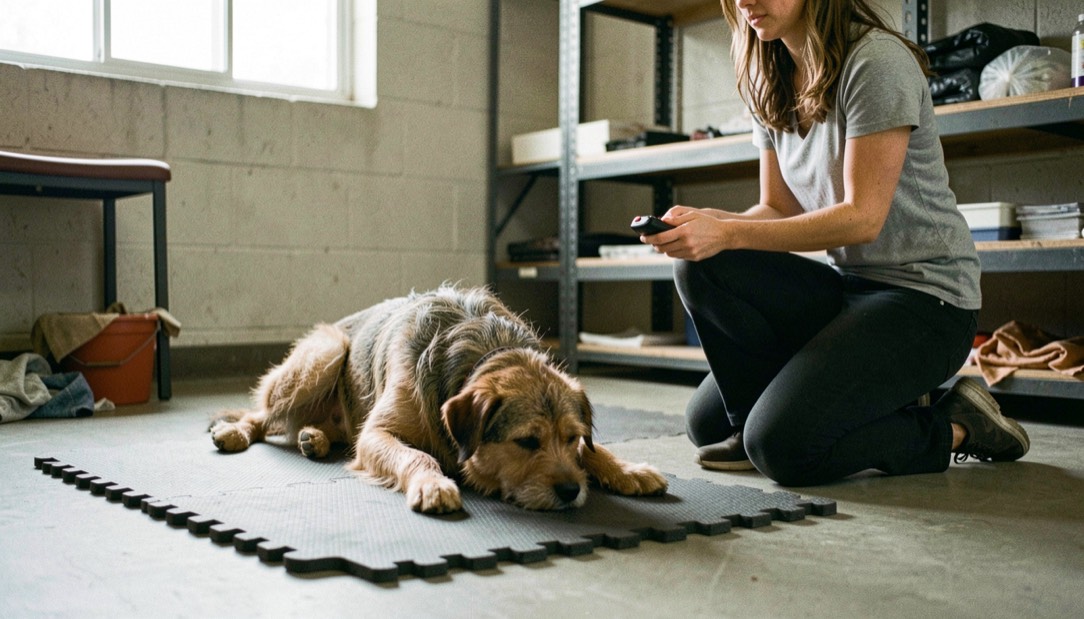
Coach a long stay dog back to adoptable
The dog nobody notices needs a coach: weekly sessions, one behaviour at a time, until the profile tells the truth.
On the stair below this tier: A Month. Above it: The Long Run. The whole stair is readable from the home page.