Tier 06 · The Long Run
The long run: years of helping shelter dogs
The commitments measured in years: adopting a senior dog, becoming the volunteer who trains the volunteers, staying useful anyway.

The last tier is measured in years and it contains only two kinds of people: those who took a dog home for the rest of its life, and those who stayed at the shelter long enough to become part of how it runs.
Both guides here describe commitments that outlive enthusiasm. A senior adoption is a contract with time and with a veterinary budget. Growing into a coordinator means giving up the part you liked, the dogs, for the part nobody volunteers for: the roster, the induction of new hands, the difficult conversation.
Nothing on this site pretends these are for everyone. They are here because the shelters that work are held together by a handful of people who did one of the two, and because the tiers below feed this one. Every coordinator started with a first shift.
In this tier
-
· The Long Run
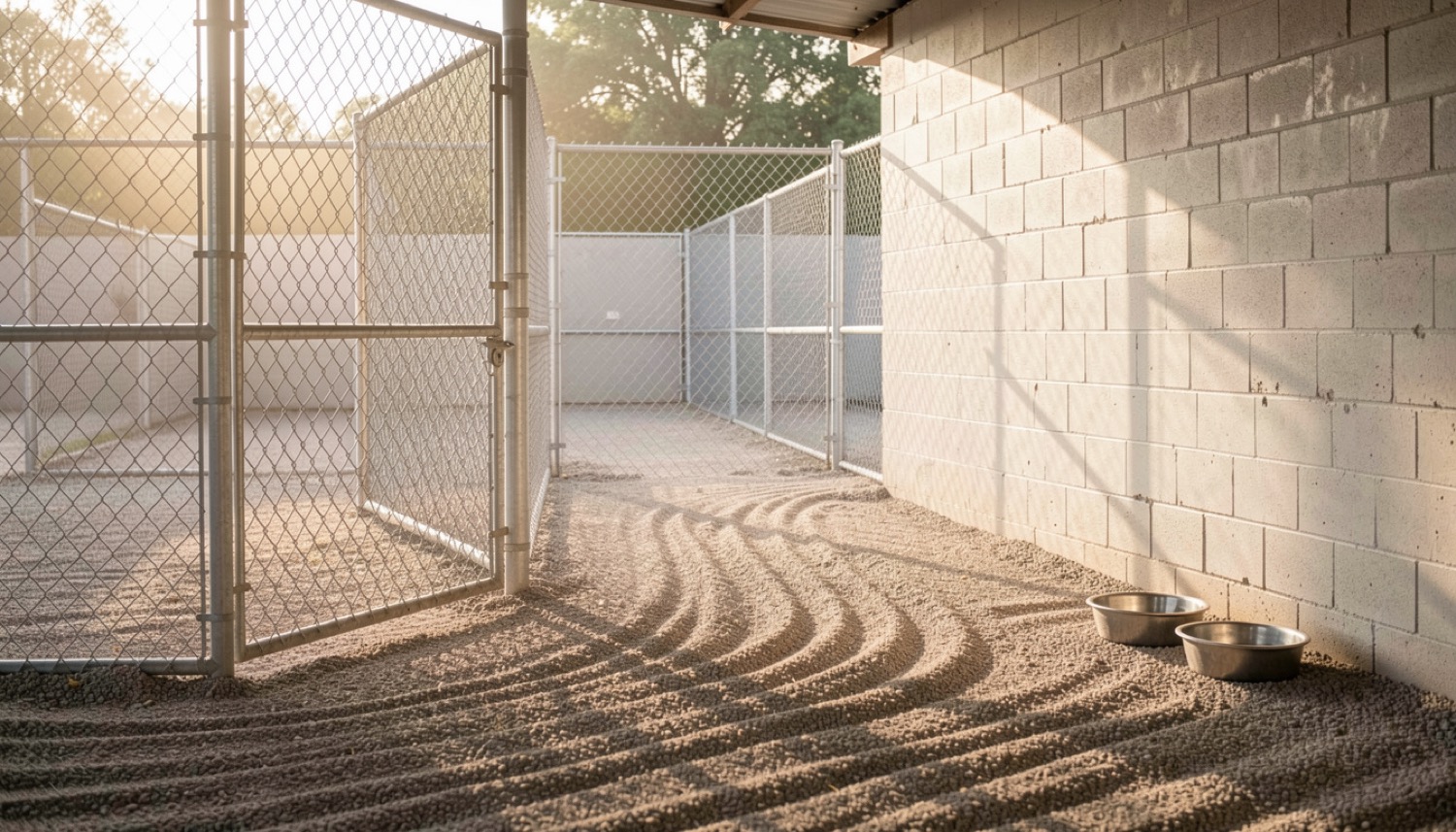
Breed standard vs shelter dog: what it proves
A breed standard describes a population, not the dog in front of you. What breed documents can tell you before adopting a shelter dog.
-
· The Long Run
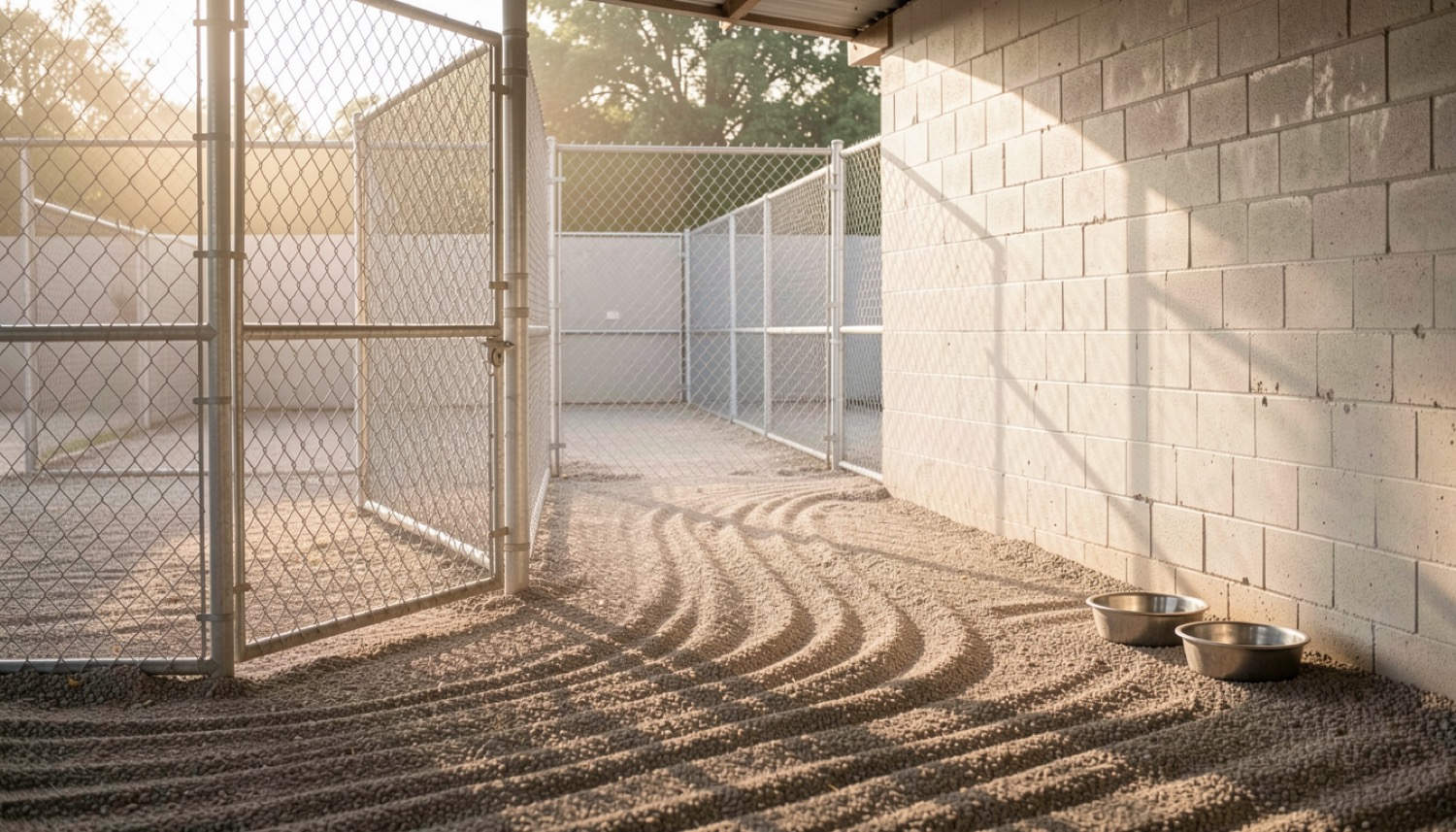
Read a Shelter Dog's Papers Before You Decide
What registration papers prove, which documents matter when a shelter dog comes with a pedigree, and how to verify a show result before you repeat it.
-
· The Long Run
Adopting a shelter purebred adult: what to check first
A pedigree shape in a kennel changes the questions, not the kindness. What the file, the dog and the breed can each tell you.

-
· The Long Run
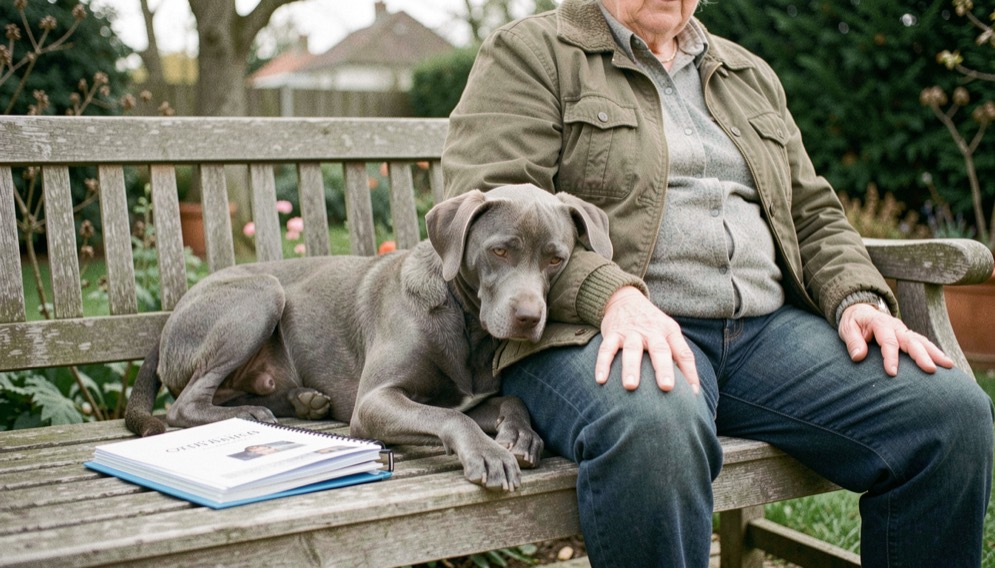
Adopt a senior dog and mean it
Years, not decades: what adopting a senior dog really costs, what the first month asks, and what it gives back.
-
· The Long Run
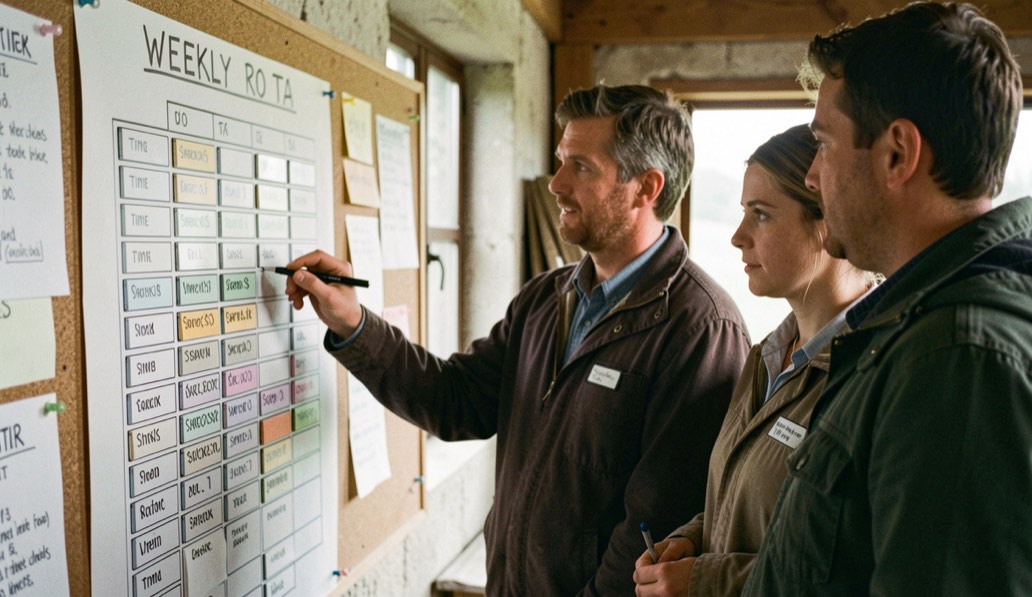
Grow from volunteer to coordinator
The shift from doing the work to organising it: training new hands, keeping the roster full, staying honest.
On the stair below this tier: A Season. Above it: Ten Minutes. The whole stair is readable from the home page.