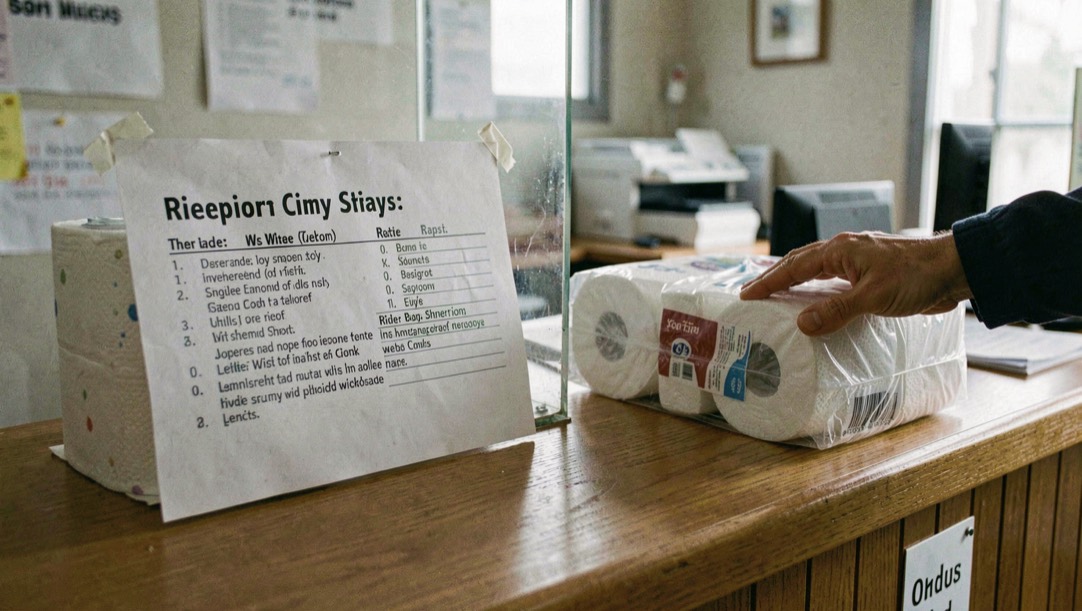
Every shelter has a store room with a shelf of things nobody can use: rawhide chews that the vet has forbidden, a bag of puppy food in a building with no puppies, three duvets that clog the machine. All of it was bought by people who meant well and did not ask first. The wish list is the shelter answering that question in advance, and reading it before you buy is the entire difference between a gift and a chore.
Why wish lists exist
A shelter is a small warehouse with a fixed washing capacity, fixed shelf space and a veterinary policy it cannot break. Those three limits decide what is useful, and none of them are visible to a visitor. The wish list is where the staff write them down: this size of bag, this kind of bedding, this brand because the dogs are already transitioned onto it, nothing that has to be refrigerated because there is no room.
The list is also a budget document. Shelters spend donated money on veterinary care, which is the cost that cannot be donated in kind. Everything on a wish list is something they would otherwise buy with money that would have paid for a sterilisation. That is why a cheap item on the list beats an expensive item that is not: the list item releases cash, the surprise item consumes storage.
Most shelters publish theirs on their own site or pin it on their social account. If you cannot find one, ask by message and say when you would come; the answer usually arrives the same day and is more precise than any list, because it describes this week.
The items that always run out
Wish lists differ, but the consumables behave the same way everywhere, because they are consumed by cleaning rather than by dogs. The pattern below is the shape of most lists, not a substitute for the one you are about to read.
| Category | Consumed by | Why it stays on the list |
|---|---|---|
| Paper towel, bin bags, gloves | Every kennel, every morning | Bought weekly, never donated, invisible to visitors |
| Disinfectant of the brand they use | Daily cleaning rounds | Cannot be substituted: staff know its dilution and contact time |
| Washing powder and machine descaler | The laundry that runs all day | The bedding you donate creates this cost |
| Food of the brand already fed | The dogs currently in | Changing brand costs the shelter a week of upset stomachs |
| Collars, leads, slip leads | Walks, intakes, transports | They leave with the dog and never come back |
| Stationery, printer ink, stamps | Adoption files and registrations | Nobody ever thinks of it, and it is on almost every list |
Two categories deserve a warning of their own. Treats and chews are a veterinary decision in a shelter, not a kindness: some dogs are on exclusion diets, some are on medication, and a well meant bag can undo a fortnight of work. And toys are only useful if they survive one dog for one week, which rules out most soft toys with squeakers and all of the ones with plastic eyes. One useful gift never appears on a list at all, because nobody has to buy it: free shredding material, plain card and paper a kennel dog can take apart, welcome almost anywhere provided it arrives clean and stripped.
Used goods: the honest rules
Second hand donations are welcome in most shelters and refused in some, and the reason is always the washing machine. A shelter launders bedding at high temperature, often several times a day. Anything that cannot survive that, or that clogs the drum, is a liability rather than a gift.
- Yes, usually: flat fleece blankets, cotton towels, single duvet covers, sheets, dressing gowns cut into flat pieces.
- Ask first: quilted duvets and pillows, dog beds with removable covers, crates, bowls, unopened food from a bag you no longer use.
- No, almost everywhere: anything with a filling that disintegrates, electric blankets, anything mouldy or stiff with old urine, wicker baskets, and clothing that cannot be boiled.
Wash and dry everything before it leaves your house, and fold it flat. A shelter that receives a bag of damp bedding has to launder it before it can be used, which means your gift arrives as a load of extra work at the busiest hour of the day. If you can only bring one thing, bring it clean.
Delivering the gift
Arrive at a time the shelter names, not at the time that suits you. Reception in a shelter is also where adoptions are processed, animals are admitted and distressed owners arrive; a delivery in the middle of that is a genuine problem, and most shelters will happily tell you the quiet hour if you ask.
Say what is in the bags at the door. Staff cannot open every donation, and an unlabelled sack is stored rather than used. Two words on a strip of tape, clean fleece or dry food, sealed, is the difference between a shelf and a kennel that same afternoon.
Then leave. The instinct to see the dogs is normal and it is the part that costs the shelter, because someone has to accompany you. If you want to see the animals, come back on the day they run visits, or offer an afternoon to the bedding and toys the kennels burn through.
The honest limit here: a single delivery is a single delivery. The gift that changes a shelter's year is the one that repeats, which is why the next step up from this page is a standing monthly collection rather than a bigger bag.